




Your Phone Contains More Than Just Messages
Modern smartphones hold vast amounts of personal data, including messages, photos, emails, banking apps, social media, location history, and browsing activities. The sensitivity of this information prompts legal questions about when law enforcement can access phone contents during investigations.
- Cell phones can contain years of personal and private information.
- Privacy protections continue to apply during criminal investigations.
- The legality of a search often depends on the surrounding circumstances.
Many people assume police can automatically examine a phone once it has been seized. In reality, the rules surrounding digital searches are more complex. Canadian courts have recognized that electronic devices often contain highly personal information deserving of significant privacy protection.
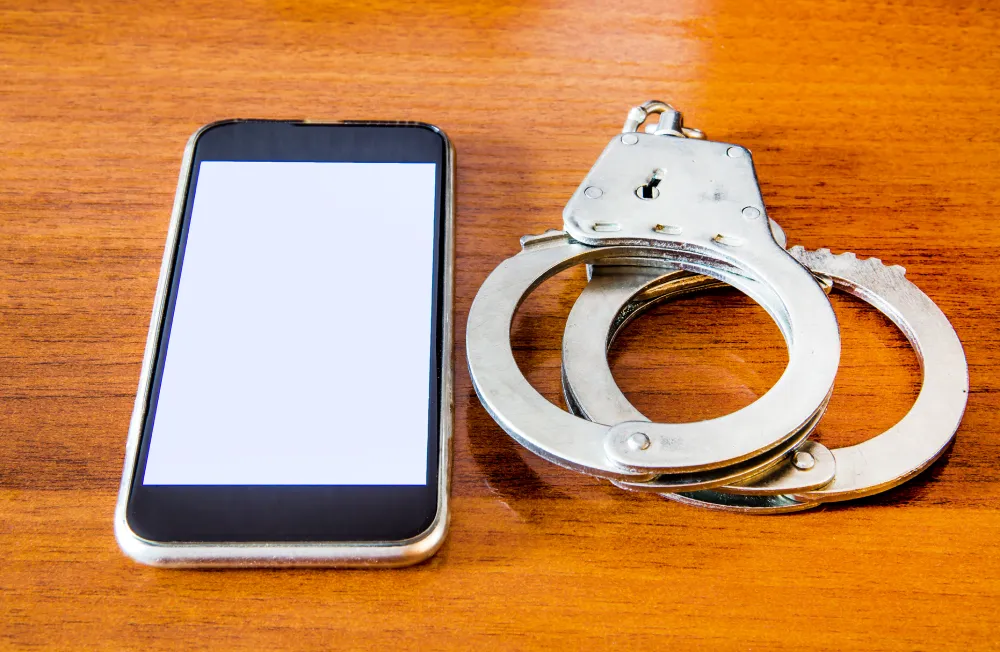

Seizing a Device Is Not the Same as Searching It
A common misunderstanding is that police automatically gain unrestricted access to a phone after taking possession of it. In many situations, the authority to seize a device does not automatically authorize investigators to examine its contents. Courts frequently distinguish between physically possessing a device and conducting a detailed search of the information stored inside it.
- Different legal rules may apply to seizure and examination.
- Search powers can vary depending on how evidence is obtained.
- Digital privacy rights remain an important consideration.
Whether a search is lawful may depend on several factors, including the nature of the investigation, the circumstances of the arrest, existing judicial authorizations, and the scope of the search being conducted. Each situation requires its own legal analysis.

Cell phone searches have become one of the most frequently litigated issues in modern criminal law. As technology evolves, courts continue to balance investigative needs against an individual's reasonable expectation of privacy.
"A mobile phone can contain some of the most personal information a person possesses. The law does not treat digital privacy lightly."
Why Search Legality Matters
When questions arise regarding the legality of a phone search, the consequences can extend beyond privacy concerns alone. The admissibility of photographs, messages, call records, application data, and other electronic evidence may become important issues in a criminal proceeding.
- Unlawful searches can result in significant legal challenges.
- The circumstances surrounding the search often become a key issue before the court.
Digital evidence plays an increasingly important role in criminal investigations. Understanding when police powers begin, where legal limits apply, and how privacy interests are protected can be critical when evaluating a criminal case involving electronic devices.