


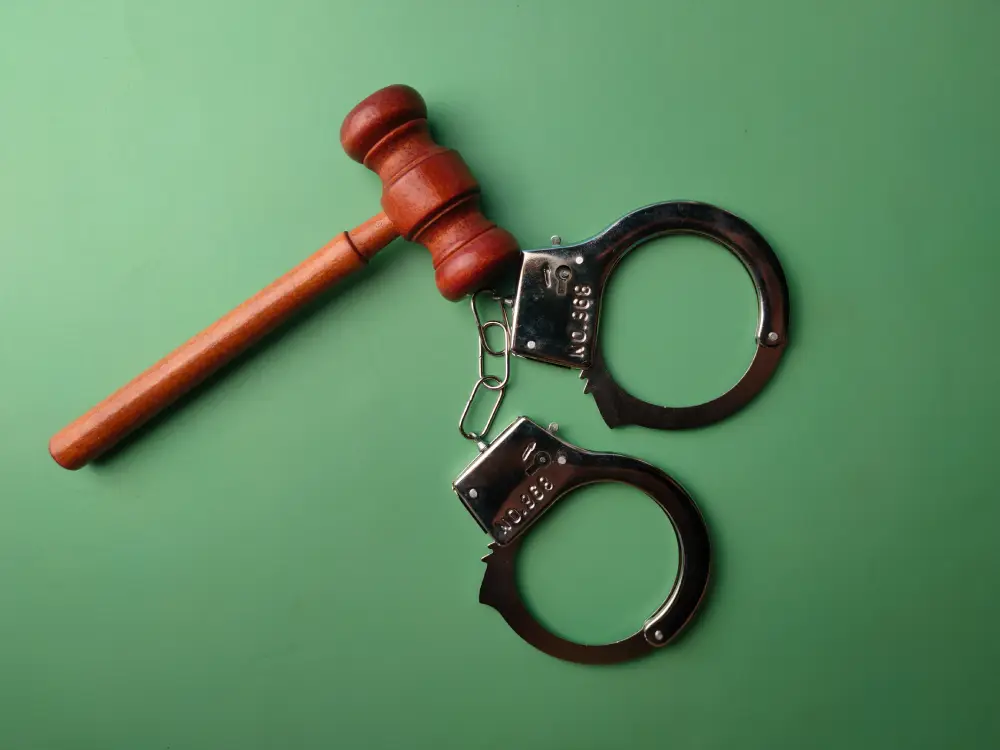
What Really Happened That Night
This charge arose from a late-night dispute between former roommates after an evening of drinking, cards, and argument. The complainant claimed he was struck with a golf club and suffered a broken elbow. The accused gave a different account: he said the complainant became aggressive, refused to leave, and was injured after falling near the backyard gate.
- Two very different versions were presented at trial.
- The injury was serious, but its cause was disputed.
- The defence focused on memory, consistency, and reasonable doubt.
The central issue was not whether the complainant had been hurt. The question was whether the Crown could prove, beyond a reasonable doubt, that the accused caused the injury through a criminal assault.
About the Case
A Dispute Between Former Friends
The incident began as a social visit and ended with police, medical treatment, and a criminal charge. Alcohol consumption, a heated argument, property concerns, and conflicting accounts all shaped the trial. The defence position was that the complainant’s version did not match the surrounding facts.
- The complainant admitted significant alcohol use.
- His memory of key events was incomplete.
- No blood was found where he claimed he had been bleeding.
- A key witness was not called by the Crown.
- The accused’s explanation fit the physical evidence.
This file turned on the details: what was remembered, what was missing, what made sense, and whether the prosecution’s version could withstand scrutiny.
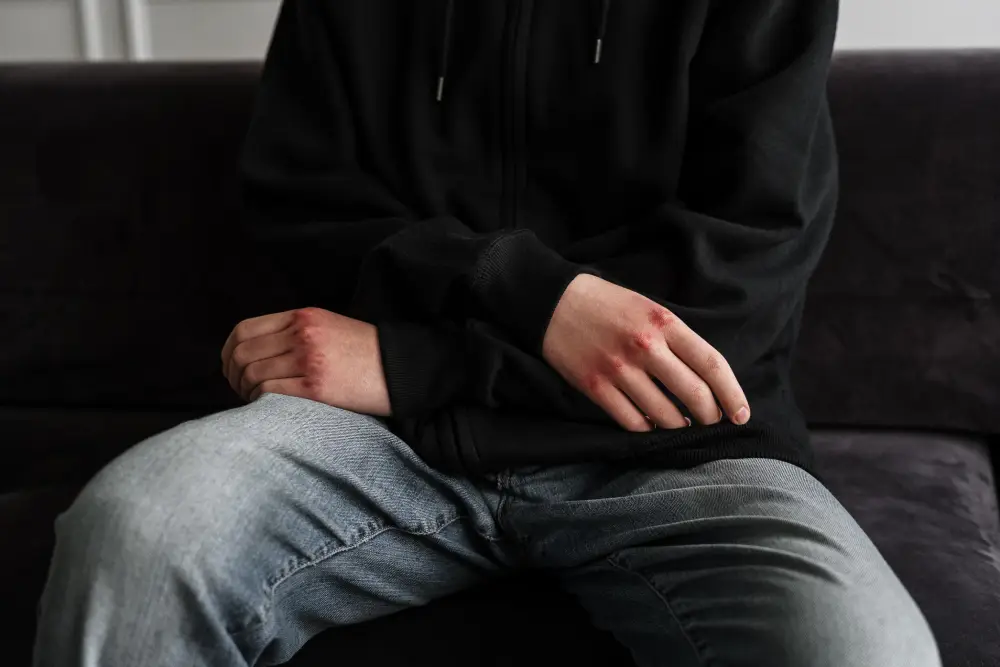

When the facts do not line up, reasonable doubt can become the decisive issue.
When the Story Did Not Hold Together
At trial, the judge compared the complainant’s account against the accused’s testimony, the medical records, the officer’s observations, and the physical condition of the property. The accused’s evidence was found to be direct, consistent, and believable, while the complainant’s recollection was weakened by intoxication and internal gaps.
- Conflicting witness accounts
- Alcohol-related memory issues
- Missing corroborating testimony
- Property damage and gate evidence
- Alternative cause of the injury
The defence did not need to prove exactly how every moment unfolded. It needed to show that the Crown’s theory was not the only reasonable explanation. The accused’s testimony, supported by surrounding details, raised a clear doubt.
Why the Charge Failed
The judge accepted the accused’s version of events and found that the complainant’s evidence could not support a conviction. The Court concluded the broken elbow was more likely caused by a fall after the complainant’s foot became caught near the gate, rather than by a golf club strike. The accused was found not guilty of assault.

What Really Happened That Night
This charge arose from a late-night dispute between former roommates after an evening of drinking, cards, and argument. The complainant claimed he was struck with a golf club and suffered a broken elbow. The accused gave a different account: he said the complainant became aggressive, refused to leave, and was injured after falling near the backyard gate.
- Two very different versions were presented at trial.
- The injury was serious, but its cause was disputed.
- The defence focused on memory, consistency, and reasonable doubt.
The central issue was not whether the complainant had been hurt. The question was whether the Crown could prove, beyond a reasonable doubt, that the accused caused the injury through a criminal assault.
About the Case
A Dispute Between Former Friends
The incident began as a social visit and ended with police, medical treatment, and a criminal charge. Alcohol consumption, a heated argument, property concerns, and conflicting accounts all shaped the trial. The defence position was that the complainant’s version did not match the surrounding facts.
- The complainant admitted significant alcohol use.
- His memory of key events was incomplete.
- No blood was found where he claimed he had been bleeding.
- A key witness was not called by the Crown.
- The accused’s explanation fit the physical evidence.
This file turned on the details: what was remembered, what was missing, what made sense, and whether the prosecution’s version could withstand scrutiny.