



Examining Whether the Evidence Proves an Alleged Supply Arrangement
Weapons trafficking prosecutions often depend on more than the existence of a weapon. Investigators may attempt to connect messages, payments, meetings, vehicle movements, seized items, third-party statements, or surveillance observations into a broader theory of unlawful transfer. These allegations can become heavily circumstantial, especially where police rely on inferred purpose, alleged delivery planning, or suspected coordination between multiple individuals. Mennie Law reviews the investigative record to determine whether the evidence actually proves a trafficking arrangement or whether the prosecution is relying on assumptions about association, movement, or communication.
Reviewing the Records Behind the Alleged Exchange
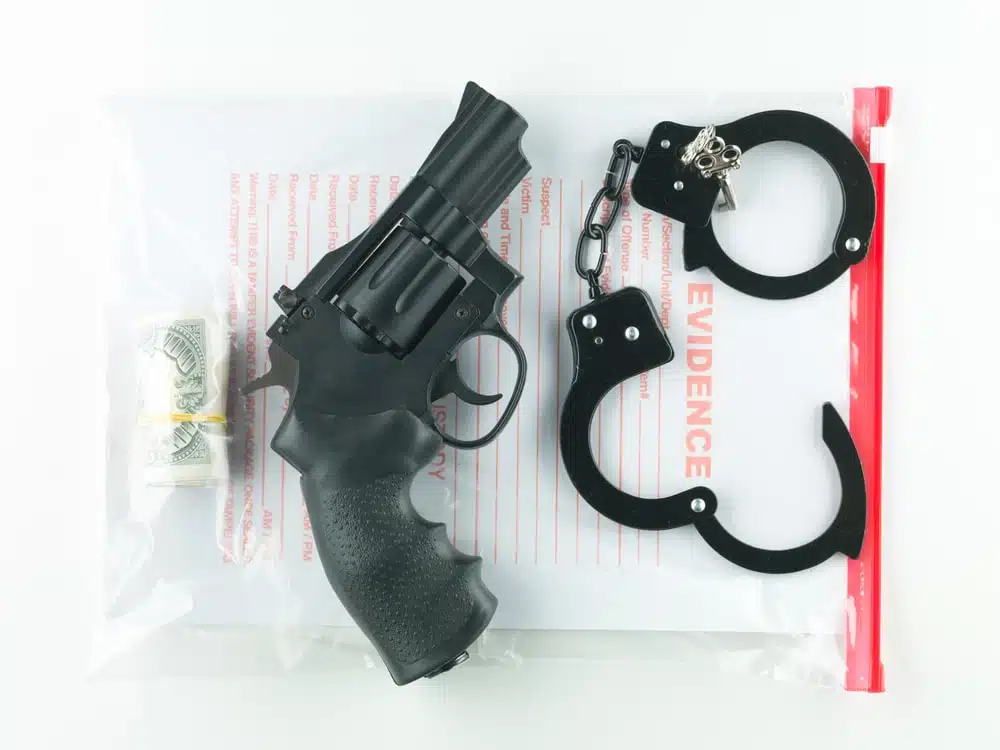
Weapons Trafficking Allegations Can Be Built From Inferences Before Direct Proof Exists
Police may investigate alleged trafficking through surveillance, intercepted communications, informant information, vehicle stops, controlled observations, and searches of residences or storage locations. Early legal intervention allows the investigative foundation to be reviewed before the prosecution’s theory becomes fixed.
- Are investigators alleging that a weapon was sold, supplied, transported, delivered, exchanged, or arranged for another person?
- Does the case rely on messages, payment records, surveillance observations, third-party statements, vehicle movement, or seized property?
- Request a confidential legal assessment to review the alleged transfer evidence and begin preparing a focused defence strategy.
Why Association With Another Person Does Not Prove Trafficking
Weapons trafficking cases often involve multiple people, unclear roles, incomplete communications, and disputed assumptions about what was planned or intended. Courts may need to examine whether the Crown can prove a real transfer arrangement rather than relying on proximity, contact, or speculation.
Myth: Communicating with someone under investigation automatically proves involvement in trafficking.
Myth: Movement of an item always proves an illegal transfer was planned.
Important Information About Weapons Trafficking Proceedings in Calgary
Weapons trafficking prosecutions involve allegations of transfer, supply, movement, coordination, and recipient connection. These answers address issues that commonly arise after charges are laid.

Book your consultation with Mennie Law
Get trusted legal guidance from a team focused on professionalism, clarity, and results. Speak with Mennie Law today about your matter and the next steps available to you.