


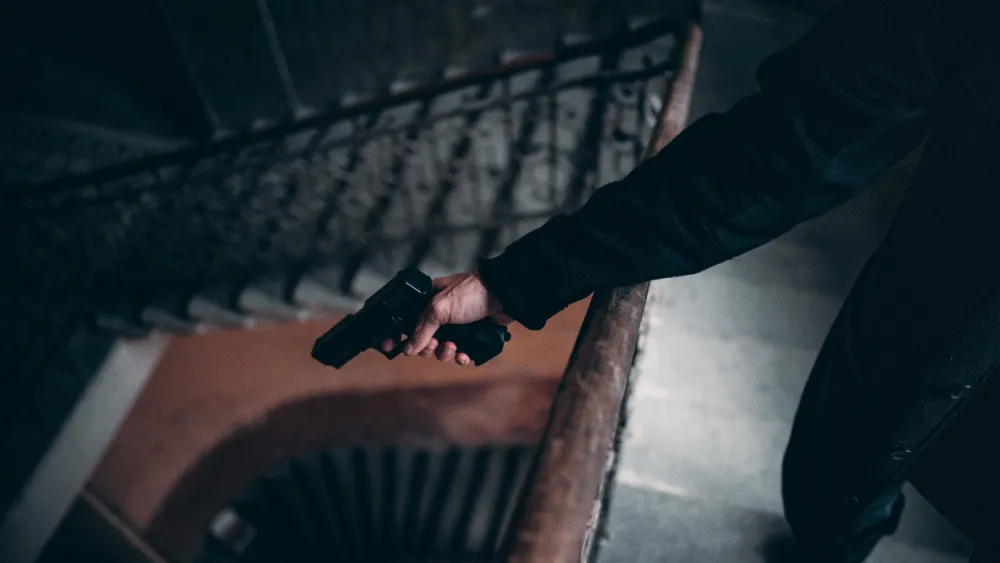
Determining Whether the Object Was Actually Possessed Unlawfully
Unauthorized possession allegations often depend on where an item was found and how police interpret its purpose. Investigators may point to location, accessibility, ownership indicators, nearby belongings, statements, or surrounding circumstances to argue that an accused person possessed a weapon without authority. These cases require careful review because proximity alone does not prove possession, and many items may have lawful explanations depending on context. Mennie Law examines how the object was discovered, who had access to the area, whether the accused knew it was present, and whether the evidence supports the allegation being advanced
Reviewing the Circumstances Behind the Alleged Weapon Possession
Do Not Let Police Assumptions About an Object Define the Case
Weapon possession investigations often begin with fast conclusions about an item’s purpose, ownership, and intended use. Early legal representation helps ensure the object, location, and surrounding facts are reviewed before those assumptions become the foundation of the prosecution.
- Was an item found in a vehicle, backpack, residence, workplace, locker, storage space, or shared area?
- Are police alleging that the object had no lawful explanation or was possessed for an unlawful purpose?
- Request a confidential legal review to examine the facts, assess the evidence, and begin preparing a defence.
Why Being Near a Weapon Does Not Automatically Prove Unauthorized Possession
Courts must look beyond where an item was located. The prosecution may need to prove knowledge, control, lack of authorization, and the specific circumstances that allegedly made possession unlawful.
Myth: If police find a weapon nearby, the closest person is responsible.
Myth: Any object labelled a weapon by police will be treated that way in court.
Important Information About Unauthorized Weapon Possession Charges
These charges often involve disputed access, item classification, lawful explanation, search procedures, and questions about whether the accused actually possessed the object.

Book your consultation with Mennie Law
Get trusted legal guidance from a team focused on professionalism, clarity, and results. Speak with Mennie Law today about your matter and the next steps available to you.