

Challenging the Legal Foundations of Roadside Screening and Testing Orders
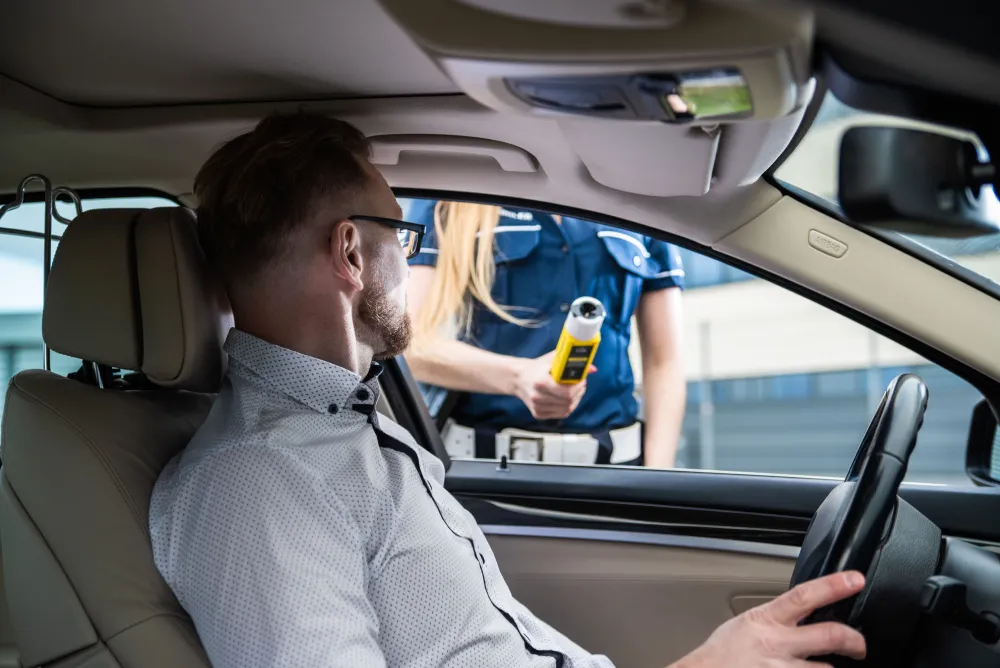
A prosecution for failing to provide a breath sample triggers immediate, severe penalties that parallel or exceed typical blood-alcohol driving convictions. Rather than relying on technical blood-alcohol chemistry calculations, a non-compliance file centers strictly on the behavioral interaction between law enforcement and motorists. Mennie Law thoroughly dissects the state’s narrative—analyzing patrol car audio files, checking language comprehension levels, and collecting vital diagnostic files regarding respiratory limitations. By establishing that instructions were confusing or that physical medical barriers prevented compliance,the firm develops a formidable defense aimed at preserving your clean record.
A Calculated Strategy for Dismantling Refusal Allegations
.webp)
Have you been issued a criminal summons for failing to comply with a testing demand?
Do not let a highly subjective police report determine your future. Mennie Law acts swiftly to seize crown evidence files, challenge immediate administrative prohibitions, and execute a calculated courtroom defense.
- Confronting a Calgary criminal court appearance or a SafeRoads Alberta administrative suspension notice?
- Is your vehicle currently seized or your driving privilege revoked under a provincial roadside sanction?
- Secure an authoritative case assessment. Complete the retainer process immediately to shield yourself from state prosecution.
Refusal Misconceptions vs. Courtroom Facts
Erroneous assumptions regarding roadside compliance laws can permanently damage a trial strategy. Dissecting common misunderstandings from actual Alberta criminal procedures is essential for your defense.
Myth: If you did not successfully produce a deep-lung sample, you are automatically guilty of a crime.
Myth: Drivers have an absolute right to call a defense lawyer before blowing into a roadside screening instrument.
Addressing Non-Compliance Charges in the Alberta Court System
Direct analytical answers explaining the legal mechanics behind chemical testing demands, roadside behavior files, and provincial trial frameworks.

Book your consultation with Mennie Law
Get trusted legal guidance from a team focused on professionalism, clarity, and results. Speak with Mennie Law today about your matter and the next steps available to you.