



Deconstructing Blood-Alcohol Chemistry Metrics and Machine Analytics
An Over 80 prosecution is unique because the Crown does not need to establish bad driving or visible physical impairment. The case is purely mathematical, resting entirely on automated numerical printouts generated by a station desktop instrument. Mennie Law approaches these files by treating the testing apparatus as a fallible mechanical witness. The firm examines ambient room temperature variables, the exact fifteen-minute pre-test observation logs, and chemical lot certifications for calibration standards. By identifying hidden software irregularities or timing errors within the device diagnostic records, the firm builds an authoritative defense designed to exclude the machine readings from trial evidence.
Isolating Software Glitches and Chemical Lot Discrepancies in Your File
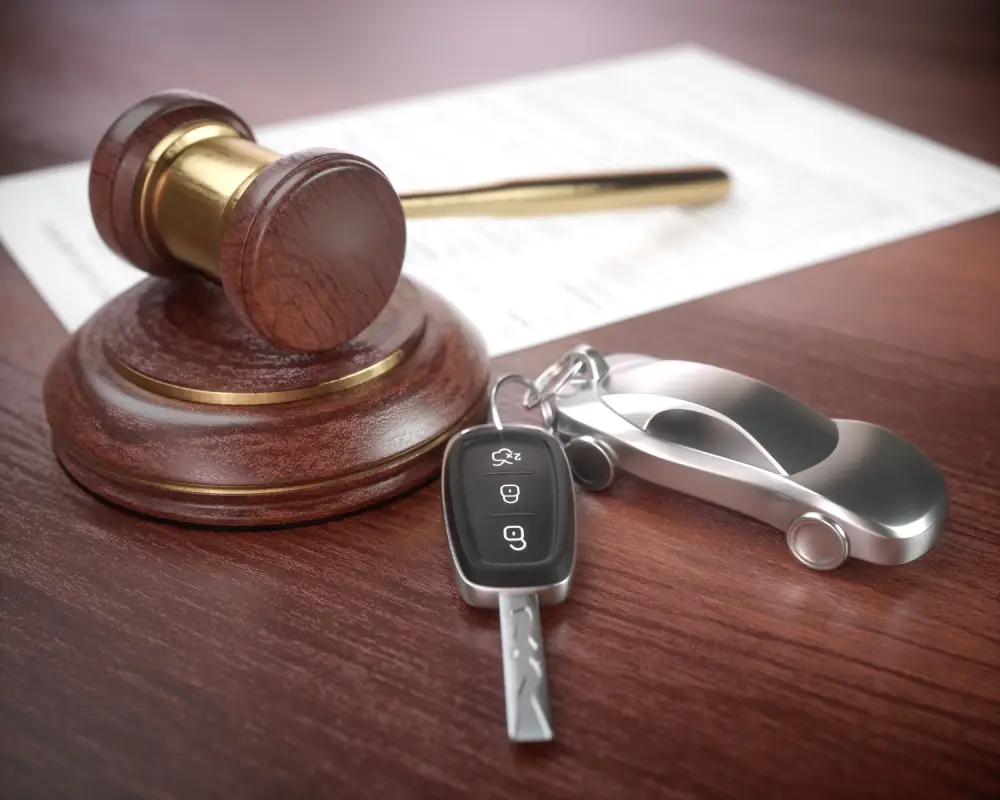
Have your station breath samples been certified as exceeding the legal limit?
Do not assume a breathalyzer certificate automatically guarantees a criminal conviction. Mennie Law moves aggressively to isolate chemical testing timelines, preserve physical maintenance records, and expose automated errors.
- Are you dealing with a formal Certificate of an Analyst that claims your milligrams-per-millilitre ratios exceeded statutory limits?
- Did the station technician fail to document the calibration check loop or truncate your mandatory wait times?
- Initiate an exhaustive verification of the digital readout logs. Progress directly to the retainment phase to challenge the legal reliability of the testing device.
Exposing Calibration Vulnerabilities and Automated Printout Errors
Erroneous assumptions regarding blood-alcohol testing machinery can permanently damage an evidentiary strategy. Dissecting equipment myths from actual Alberta technical trial mechanics is vital.
Myth: If the station machine prints an illegal number, the data is flawless and cannot be overturned.
Myth: Your personal level of physical sobriety can easily defeat an Over 80 machine certificate.
Addressing Breath Certificate Data in the Alberta Court System
Direct analytical answers explaining the chemical testing rules, instrument error codes, and provincial prosecution frameworks.

Book your consultation with Mennie Law
Get trusted legal guidance from a team focused on professionalism, clarity, and results. Speak with Mennie Law today about your matter and the next steps available to you.