
//
Mennie Law Hit and Run

When a Traffic Incident Leads to Allegations of Hit and Run

//
Impact Timeline Review

Understanding What Happened in the Minutes Following the Collision

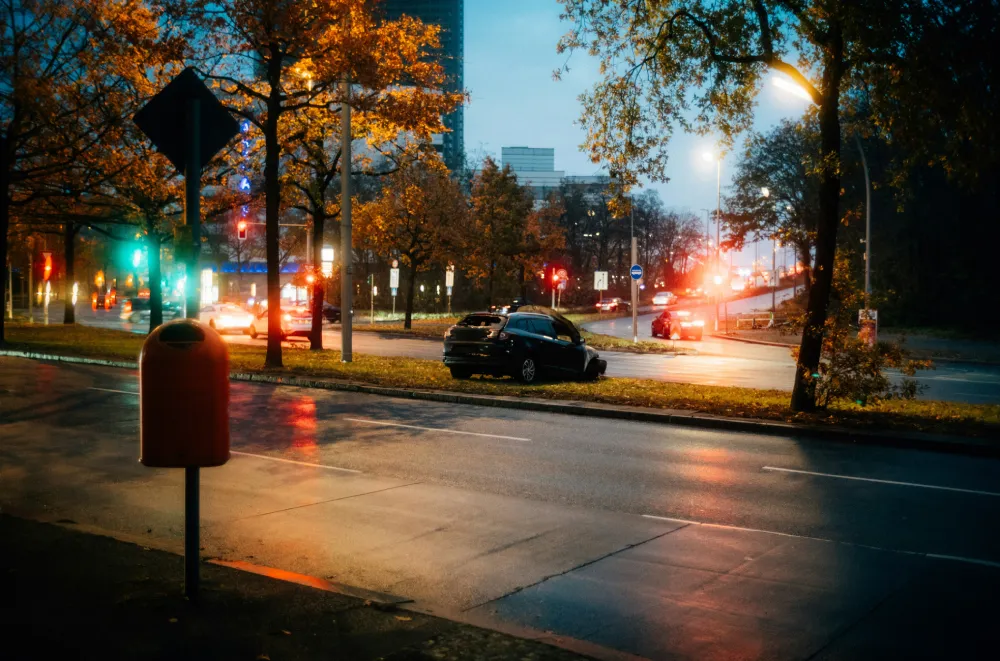
Failure to remain investigations are frequently shaped by assumptions formed immediately after an accident takes place. In many situations, drivers are operating under stress, uncertainty, environmental distractions, or incomplete awareness regarding what actually occurred. Unlike impaired driving files built around chemical testing or roadside screening procedures, hit and run allegations often revolve around perception, reaction, movement, and human behavior after impact. Mennie Law examines the sequence from multiple angles by reviewing nearby surveillance systems, roadway positioning, emergency call timing, traffic movement patterns, and physical damage comparisons between the involved vehicles. By carefully analyzing the surrounding circumstances instead of relying solely on hindsight conclusions, the firm works to clarify how rapidly unfolding events can be misunderstood during early police assessments.

//
Collision Sequence Examination

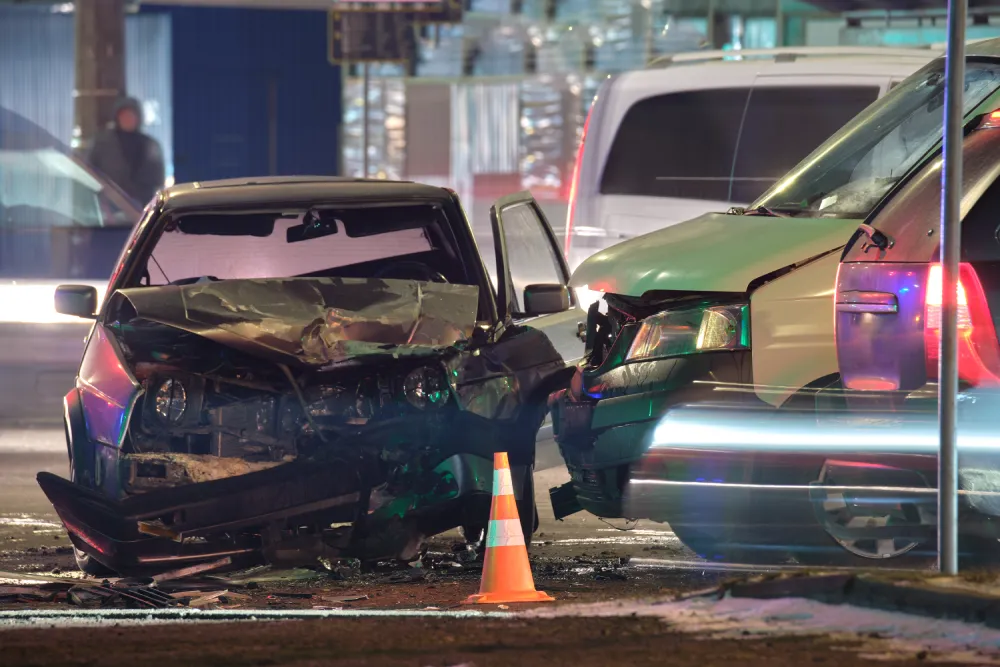
Reconstructing the Events Surrounding the Alleged Departure
01

Incident Circumstance Collection

Focus turns toward the external conditions present during the incident, including weather interference, lighting quality, heavy traffic movement, obstructed visibility, construction activity, and surrounding roadway distractions.

02

Surrounding Environment Inspection

Focus turns toward the external conditions present during the incident, including weather interference, lighting quality, heavy traffic movement, obstructed visibility, construction activity, and surrounding roadway distractions.

03

Contact Awareness Evaluation

The firm examines whether the driver reasonably recognized the physical contact itself by analyzing impact severity, vehicle size differences, cabin noise levels, traffic vibration, and the overall driving environment at the time.

04

Movement Pattern Reconstruction

Vehicle direction, stopping opportunities, lane positioning, intersection flow, and post-contact travel patterns are reviewed to determine whether the departure behavior aligns with intentional avoidance or confusion following the event.

05

Circumstantial Response Preparation

Using the reconstructed sequence, counsel develops a detailed response centered on perception limitations, environmental realities, delayed awareness, and the practical circumstances influencing the driver’s decisions afterward.

01

Research & Case Understanding

We carefully review your legal situation, documents, and concerns to identify risks, strengths, and the best legal direction.

02

Legal Strategy Planning

Based on your case, we create a clear and effective legal strategy focused on protection, compliance, and results.

03

Professional Legal Representation

We represent you with integrity—whether in negotiations, documentation, or court proceedings.

04

Progress Tracking & Communication

We keep you informed at every stage, ensuring transparency, clarity, and peace of mind throughout the process.

clarity-image
//
Immediate Incident Assessment

Have You Been Contacted by Police About Leaving the Scene of an Accident?

Traffic incidents unfold quickly and often create confusion long before investigators understand the full situation. Mennie Law acts promptly to preserve footage, examine roadway conditions, and assess whether assumptions about your actions were formed too early.

  • Are investigators alleging that you drove away without stopping after contact with another vehicle, object, cyclist, or pedestrian?
  • Did the situation involve low visibility, crowded traffic conditions, panic, uncertainty, or minimal physical impact between the vehicles?
  • Begin an immediate legal review to secure important evidence, clarify the timeline, and protect your licence, insurance standing, and criminal record.
//
Scene Departure Realities

Common Misunderstandings Surrounding Hit and Run Investigations

Many people assume every departure from a collision scene involves intentional wrongdoing. In reality, courts closely examine the driver’s awareness, surroundings, reactions, and understanding of the event before reaching legal conclusions.

01

Myth: Leaving an accident scene always means the driver was intentionally avoiding responsibility.

Truth: Some drivers continue moving because they are startled, attempting to reach a safer stopping area, unsure whether contact occurred, or unaware of the seriousness of the impact.

Discuss Your Case
02

Myth: Minor parking lot or low-speed incidents are too small to trigger criminal allegations.

Truth: Even light contact involving mirrors, bumpers, fences, or parked vehicles can result in a failure to remain investigation if witnesses report that the driver departed afterward.

Discuss Your Case
03

Myth: Initial witness descriptions are always accurate during collision investigations.

Truth: Darkness, weather conditions, stress, moving traffic, brief observation windows, and obstructed viewpoints frequently lead to incorrect descriptions involving vehicle appearance, licence plates, speed, or driver identity.

Discuss Your Case
//
Failure to Remain Information

Important Questions About Hit and Run Allegations in Alberta

Straightforward explanations regarding collision reporting obligations, police investigations, roadway evidence, and how scene departure allegations move through the criminal court process.

What are drivers legally expected to do after being involved in a collision?
Faq Icon
Can someone still face allegations if they genuinely did not notice the impact?
Faq Icon
How do investigators usually identify vehicles connected to hit and run incidents?
Faq Icon
Does reporting the incident later improve the situation?
Faq Icon
Why do witness accounts often conflict after roadway incidents?
Faq Icon
//
Booking Now

Book your consultation with Mennie Law

Get trusted legal guidance from a team focused on professionalism, clarity, and results. Speak with Mennie Law today about your matter and the next steps available to you.

Thank you! Your submission has been received!
Oops! Something went wrong while submitting the form.
cta-image