


//
Mennie Law Dangerous Driving

Responding to Serious Dangerous Driving Allegations

//
Roadway Reconstruction

Rebuilding the Driving Sequence Behind the Allegation

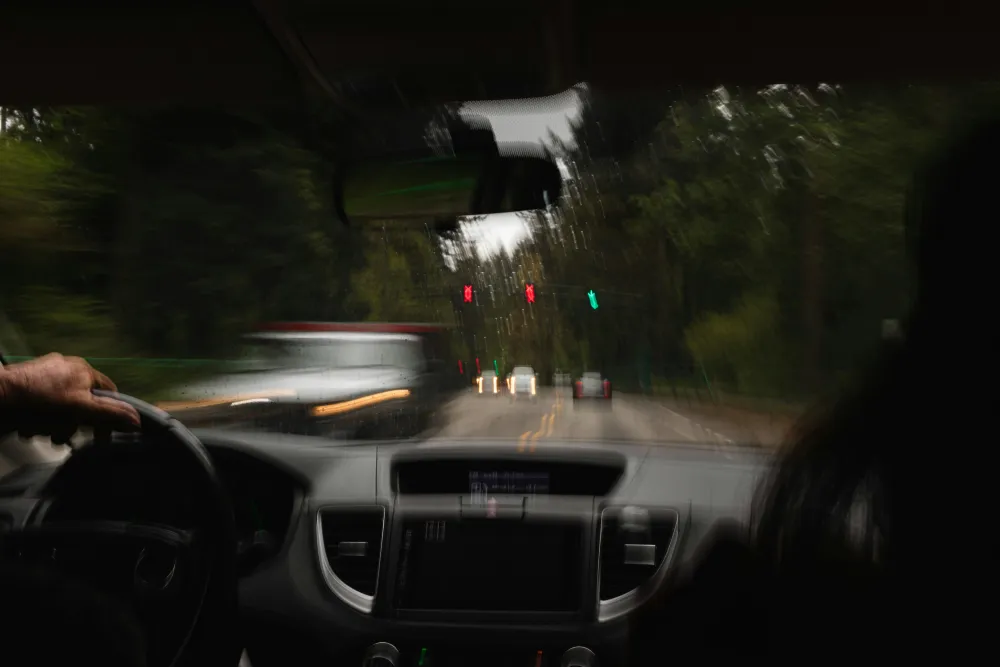
Dangerous driving prosecutions are rarely built around a single moment. Instead, investigators attempt to reconstruct an entire chain of vehicle movements and portray those decisions as criminally unsafe. These files often depend on officer interpretation, civilian recollections, estimated vehicle speeds, roadway measurements, and assumptions about how a reasonable driver should have reacted under pressure. Mennie Law reassembles the event step-by-step by examining traffic density, visibility limitations, weather conditions, intersection timing, surveillance recordings, and physical roadway markings. By comparing the prosecution’s theory against the actual driving environment, the firm works to demonstrate how rapidly unfolding roadway situations are frequently oversimplified after the fact.

//
Driving Allegation Breakdown

A Structured Approach to Analyzing Dangerous Driving Accusations
01

Driving Incident Intake

The process begins immediately after charges are issued or police complete their roadside investigation. You securely transfer collision reports, officer paperwork, towing notices, photographs, and upcoming court information directly to the firm.

02

Liability Exposure Review

During the initial consultation, counsel reviews the allegations in detail, explains possible sentencing outcomes, discusses insurance and licensing concerns, and outlines the representation structure moving forward.

03

Representation Activation

Once the retainer agreement is finalized, Mennie Law formally assumes conduct of the criminal matter, handling communications with prosecutors, police agencies, and court administration personnel on your behalf.

04

Scene Dynamics Evaluation

After retention, the firm gathers roadway diagrams, surveillance footage, witness positioning details, environmental reports, and vehicle movement data to examine whether the investigative interpretation accurately reflects the scene conditions.

05

Driving Narrative Response

Using the reconstructed roadway timeline, counsel works to expose unreliable assumptions, dispute exaggerated driving conclusions, negotiate reduced allegations where appropriate, or prepare the matter for contested trial proceedings.

01

Research & Case Understanding

We carefully review your legal situation, documents, and concerns to identify risks, strengths, and the best legal direction.

02

Legal Strategy Planning

Based on your case, we create a clear and effective legal strategy focused on protection, compliance, and results.

03

Professional Legal Representation

We represent you with integrity—whether in negotiations, documentation, or court proceedings.

04

Progress Tracking & Communication

We keep you informed at every stage, ensuring transparency, clarity, and peace of mind throughout the process.

clarity-image
//
Immediate Collision Review

Have You Been Accused of Dangerous Driving Following a Collision or Traffic Investigation?

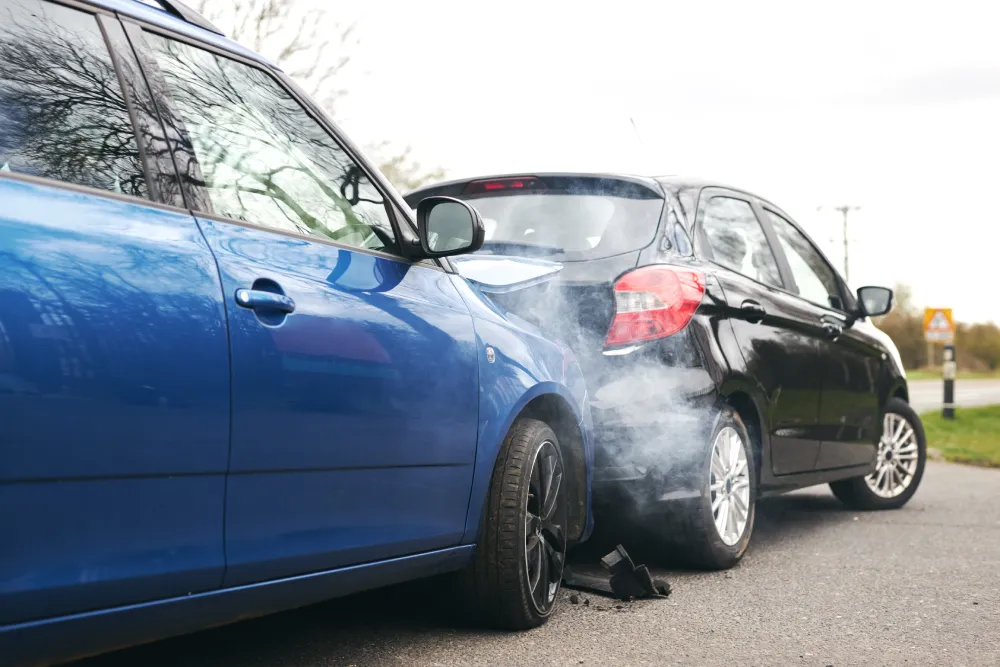
A single driving event should not automatically define you as a criminally dangerous driver. Mennie Law moves quickly to preserve roadway evidence, review officer observations, and examine whether the situation was interpreted without considering the full driving context.

  • Are you facing criminal allegations involving excessive speed, abrupt lane changes, racing accusations, or high-risk maneuvering?
  • Are police alleging that your driving decisions placed other motorists, pedestrians, or property at serious risk?
  • Secure an immediate legal assessment to begin reconstructing the driving sequence and protecting your licence, reputation, and future mobility.
//
Roadway Perspective

Common Dangerous Driving Beliefs That Collapse in Court

Traffic incidents are often judged emotionally long before the surrounding circumstances are fully examined. Criminal courts focus on how the driving situation actually unfolded in real time—not how serious the aftermath appeared afterward.

01

Myth: A major collision automatically means someone was driving dangerously.

Truth: Heavy damage, injuries, or emergency response alone do not determine criminal guilt. Courts still examine traffic flow, driver reaction time, road conditions, visibility, and how quickly the situation developed.

Discuss Your Case
02

Myth: Drivers always have enough time to avoid sudden roadway hazards.

Truth: Many dangerous driving allegations arise from split-second reactions involving abrupt lane changes, unexpected braking, merging traffic, or unpredictable vehicle movement from surrounding drivers.

Discuss Your Case
03

Myth: Police can immediately determine exactly what caused a crash scene.

Truth: Early roadside conclusions are frequently formed before surveillance footage, mechanical inspections, weather conditions, and full roadway measurements are completely reviewed.

Discuss Your Case
//
Dangerous Driving FAQs

Understanding Dangerous Driving Charges

Clear explanations regarding roadway investigations, criminal driving standards, collision interpretation, and the procedural path of dangerous driving prosecutions.

What makes dangerous driving different from an ordinary traffic offence?
Faq Icon
Can dangerous driving charges be laid even if nobody was injured?
Faq Icon
How important are roadway conditions in dangerous driving cases?
Faq Icon
Can surveillance or dashcam footage help dispute the allegations?
Faq Icon
What happens if the officer’s interpretation of the driving behavior is inaccurate?
Faq Icon
//
Booking Now

Book your consultation with Mennie Law

Get trusted legal guidance from a team focused on professionalism, clarity, and results. Speak with Mennie Law today about your matter and the next steps available to you.

Thank you! Your submission has been received!
Oops! Something went wrong while submitting the form.
cta-image