


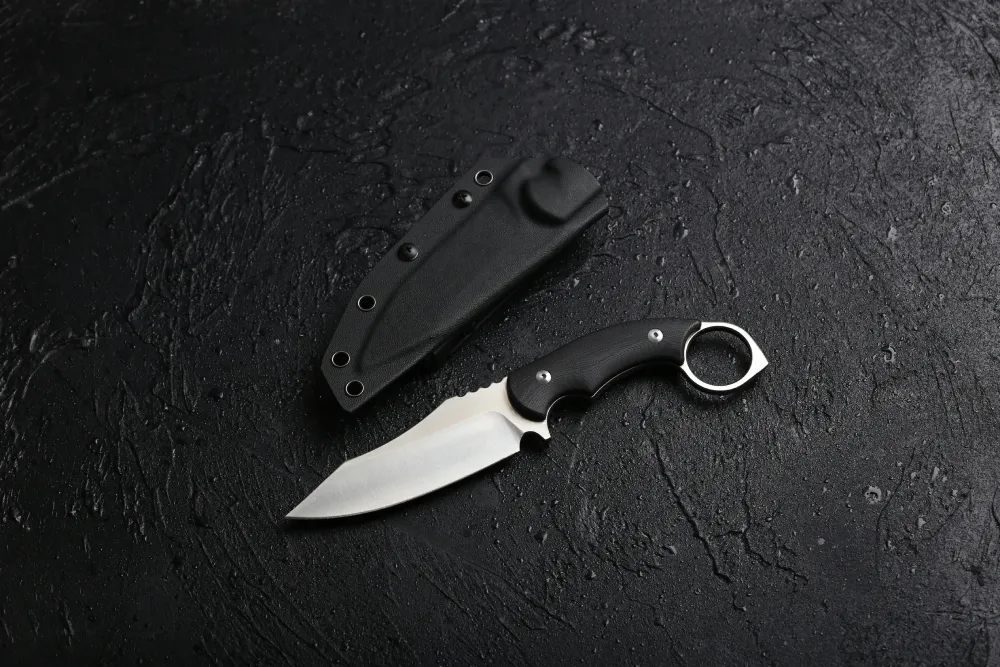
Examining Whether the Object and Circumstances Support the Charge
Assault with a weapon cases frequently involve far more than the object itself. Prosecutors must establish how the item was allegedly used, the surrounding circumstances, and whether its presence transformed the incident into a more serious criminal offence. These matters can involve everyday household items, work tools, sporting equipment, vehicles, or other objects never originally designed to function as weapons. Mennie Law conducts a detailed examination of the available evidence by reviewing police observations, scene photographs, object recovery records, forensic reports, and the sequence of events leading up to the allegation. By scrutinizing how the object became part of the incident, the firm works to identify weaknesses in the prosecution's theory and challenge assumptions that may not be supported by the evidence.
Breaking Down the Allegation Beyond the Item Itself
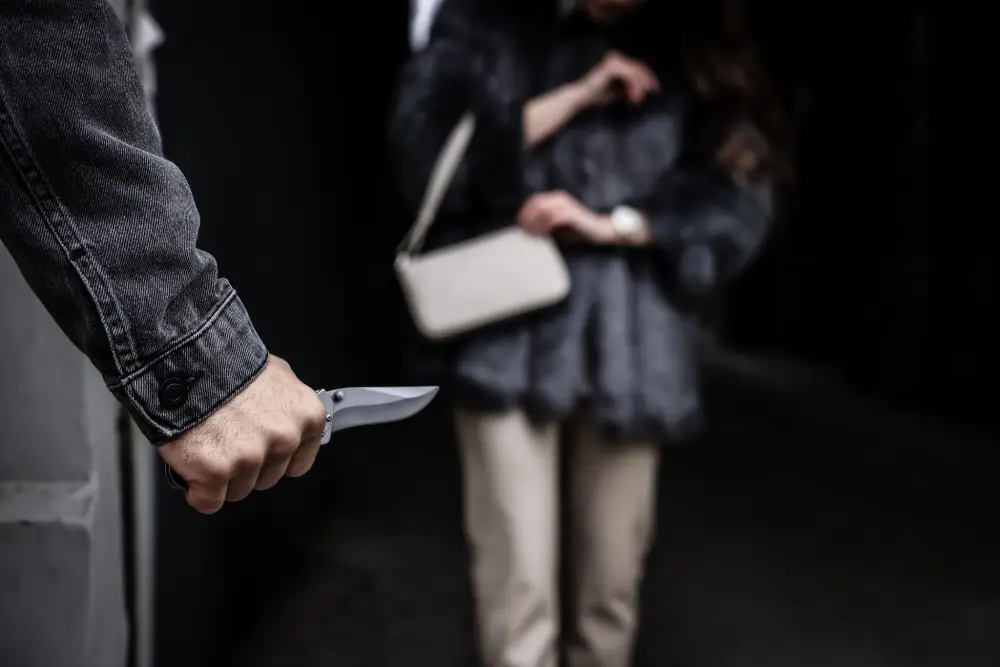
Serious Allegations Can Arise From Everyday Objects
Many assault with a weapon investigations involve items that were never designed for violence. Early legal intervention allows the circumstances surrounding the object to be examined before investigators form conclusions that may not reflect the full picture.
- Are police alleging that an item was used, displayed, brandished, or possessed during an incident involving another individual?
- Does the prosecution rely on photographs, seized property, forensic examination, or witness descriptions to support the allegations?
- Schedule a detailed review to assess the evidence, understand your legal exposure, and begin building a defence strategy immediately.
Why the Presence of an Object Does Not Automatically Prove the Allegation
Assault with a weapon prosecutions often focus heavily on the existence of a particular item. However, courts must examine far more than the object itself when determining criminal liability.
Myth: Any object present during an incident automatically becomes a weapon under criminal law.
Myth: Everyday tools and household items cannot result in weapon-related charges.
Myth: Once an object has been seized by police, the prosecution's case becomes straightforward.
Important Information About Weapon-Related Allegations in Calgary
Assault with a weapon charges involve unique legal issues surrounding object classification, intent, and evidentiary interpretation. The following answers address several common questions.

Book your consultation with Mennie Law
Get trusted legal guidance from a team focused on professionalism, clarity, and results. Speak with Mennie Law today about your matter and the next steps available to you.